How Fable 5.2 makes video
Video generation with Fable 5.2 means asking it for a scene or a short film and letting it build the whole thing as a program: the models, the camera, the lighting, often the music. Some makers render it to an MP4; others share the scene as a page you can open and move around in.
- 0kncn's 90-second anime was built shot by shot in Blender from Python, with a soundtrack written in numpy.
- Marcel's golden ship is pure Three.js, with no Blender and no outside models: about 38 minutes and $17 on medium effort.
- Peter Gostev's Istanbul, the most liked of all, ran on Fable 5.2 Max for about $46.
- Dante's UFO film came from one sentence and used three.js and Remotion, with no textures or stock audio.
How to make one in Claude Code
Start Claude Code on Fable 5.2
Fable 5.2 needs a Pro plan or higher, or API access. For a scene you can share as a page, an empty folder is enough; for Blender, have Blender installed so Fable can drive it from Python.
mkdir my-film && cd my-film
claude --model claude-fable-5-2
Describe the scene, or the film shot by shot
One sentence works ("make me a 30 second video of a UFO visiting Area 51 and greeting humans, ultra detailed, cinematic lighting"); long, precise briefs like the Paris 1888 prompt below give you more control.
Ask it to render, or to keep it live
Ask for an MP4 at a set resolution and frame rate, or for a single HTML page you can open in a browser and share.
Films and animated shorts
Short films with a camera, a story or a score.
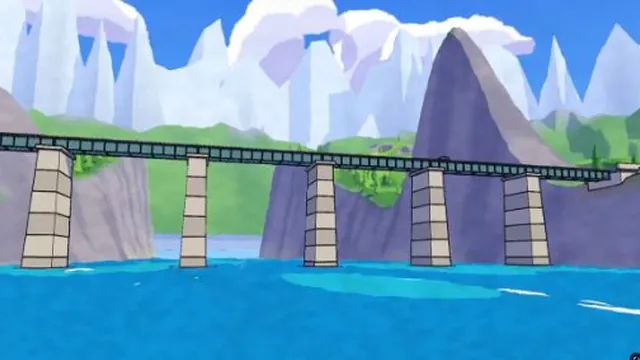
A 90-second anime short: a steam locomotive becomes a robot
0kncn (@0kncn) · 409 likes · 69.5K views
Hand-drawn-looking 2D anime from one prompt: Fable built every shot in Blender from Python, rendered it and inked each frame in a second pass, then wrote the score note by note with numpy.
Show the prompt (as the maker shared it)
Create a 2D anime short. It must look completely like real Japanese anime, as if it were taken directly from a finished theatrical anime film. This is traditional-looking, hand-drawn 2D anime, not a 3D animation, a moving illustration, or a stylized web graphic.

Build everything in Blender from Python, render it in Eevee, then ink and paint every frame in a second pass. Deliver one 1920x1080, 24 fps MP4 with a synthesized soundtrack. Use any tools, libraries, references, guides, literally anything, as long as the final result looks 100% like hand-drawn 2D anime.

Use theatrical anime as the art style reference for the design, line work, painted backgrounds, color and atmosphere. The film is 90 seconds long (2160 frames), in 42 shots. Its hero is a steam locomotive that transforms into a robot. No people appear in the film.

HERO
No. 9, a 1940s 2-8-2 freight locomotive with a four-axle tender, 23 m long, asleep for decades in a mountain engine shed: matte black boiler with rust runs, faded red wheel centres and buffer beam, brass number plate "9", one large headlamp, two amber marker lamps, moss on the running boards, ivy through the cab windows, and a stork's nest on the cab roof. As a robot it stands 21 m tall with its shoulders at 17 m. It is an original design, not a character from any existing series. It moves on twos, slow and heavy. Its wheels never slip and its feet never slide.

TRANSFORM
One transformation, at full speed, 120 frames, in five stages of 24 frames. Every part is rigid: nothing stretches, nothing vanishes, nothing appears. Each part travels on a hinge or a slide you can see.
1. Legs: the tender uncouples, splits lengthwise and swings down; its two bogies lock as feet, the coal stays in bunkers on the calves.
2. Hips: the cab drops and widens into the pelvis; the trailing truck folds onto the lower back.
3. Torso: the boiler tilts upright, firebox at the waist, smokebox at the top; the chimney and steam dome end on the upper back and keep venting.
4. Arms: the running boards swing out with the cylinders as shoulders, the piston and connecting rods as forearms, and hands with three fingers and a thumb unfolding from the valve gear; the front driving wheels ride up as shoulder discs, the rear ones fold to hips and knees.
5. Head: the smokebox door hinges forward as the chest plate with the headlamp at its centre; a riveted helmet rises from the smokebox with one dark visor slit and the two marker lamps as amber eyes; the cowcatcher folds up as a collar.
The cab roof panel rides up to the right shoulder and carries the stork's nest, never tilted more than 10 degrees.
Stages 1-3 happen on the rails, with the first strides landing on the ballast either side of the track. Stages 4-5 happen in the air.

WORLD
A single-track mountain railway at real scale. At the top, an ore mine with a loading bunker and a rake of twelve four-wheel hopper wagons. The line descends through larch forest and a short rock tunnel to a viaduct: seven 18 m steel girder spans on stone piers, 126 m long, the deck 17 m above a turquoise meltwater river 3 m deep. Beyond it, a small station: a stone engine shed, a water tower, a semaphore signal with an alarm bell, a signal box, a siding ending in a sand drag. Snow peaks behind, a cliff face above the viaduct, telegraph poles along the whole line.

STORY
A clear spring morning in the valley. Meltwater loosens the cliff: a rockfall hits the middle pier of the viaduct, the pier collapses into the river and the two girders it carried sag into a V, held only by the rails. Up at the mine the shock snaps a coupling and the twelve loaded wagons start to roll downhill, unmanned. At the station the semaphore drops to danger and the bell rings. In the dark shed the firebox glows, the pressure needle climbs, the headlamp lights; the stork flies up. No. 9 bursts through the shed doors tearing ivy and rust, and charges up the grade with the wagons coming down the other side. On the approach it transforms at full speed, leaps from the abutment, lands crouched in the river, wades to the fallen pier, and lifts the sagging joint onto its shoulders and raised hands. The wagons hit the viaduct: it sinks 0.3 m as each one passes over and holds. The rake runs through the station into the sand drag and stops. No. 9 does not come back out. It locks its knees and stays as the new pier. The steam thins, the stork returns to its nest, the visor dims.

LIGHT
High-key anime light, never murky: a morning sun from the south-east, a saturated cobalt sky, white cumulus with lavender shadows, snow peaks with blue shadows, fresh green larch, a turquoise river with drawn white water. Light only changes with a cause you can see: rock dust dims the gorge for 3 seconds, steam whites out a frame, the firebox throws orange onto the shed walls. Cel light with hard shadows, gouache backgrounds, ink lines on every machine, rail and building, effects drawn on twos: steam as inked rolling shapes with a flat shadow tone, water as inked sheets with foam crowns, dust as drawn clouds, never particle mush.

SOUND
A synthesized orchestra on a 144 bpm grid: one beat is 10 frames, and every cut lands on a multiple of 5 frames. A hopeful theme on clarinet and horn, the collapse in E minor, a 12/8 chase with the exhaust chuff as percussion at four beats per wheel revolution, a heavy 3/4 for the hold with one low drum per wagon. 16 hits land exactly on the picture: the rockfall, the pier, the coupling, the signal arm, the shed doors, each transformation lock, the landing, the lift, the first and last wagon. The steam whistle is heard twice: once on waking, once on the hold.

FORMAT
Write the film as a Python story clock: one state per frame for every pose, camera, wheel angle, rod position, transformation part, wagon, effect and sound cue.

CHECKS
Before the final render a script tests every frame on the real meshes: no part of No. 9 goes through another part, in either form or at any frame of the transformation; the total volume of its parts is the same in both forms; every wheel on a rail turns exactly as far as it travels; planted feet do not move; No. 9 never goes through the track, the shed, the viaduct or the riverbed; the wagons stay on the rails and never touch each other except at the couplings; the camera never enters a mesh, the cliff or the water; nothing jumps between frames.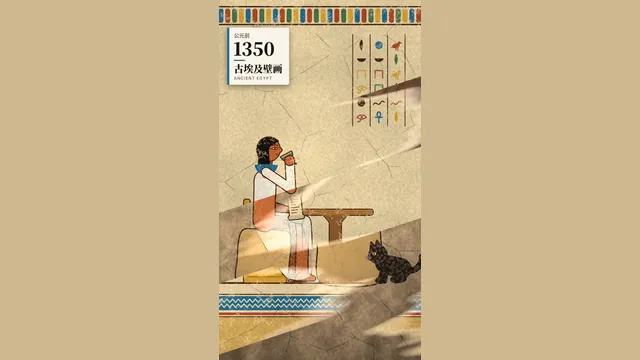
40,000 years of art history in one prompt
Tommy618 · 315 likes
The same person and cat redrawn in every era, from an Egyptian wall painting to Van Gogh, Mondrian, pixel art and 2026. About 4,900 lines of code, no image model.
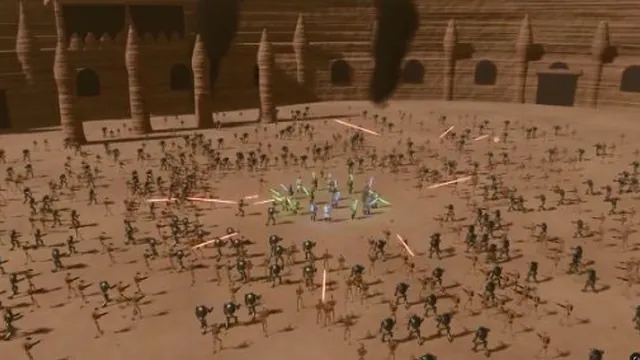
A Star Wars battle built in Blender
Aditya (@adityavg13) · 292 likes · 44.3K views
The maker's Blender benchmark for every new model: over a thousand droids, gunships and laser fire in the arena. One prompt, 1.5 hours including a 20-minute render.
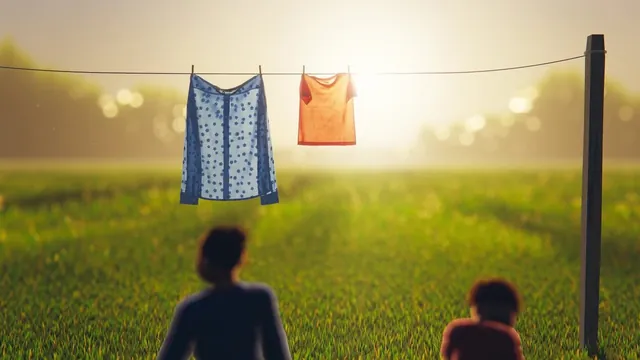
Laundry on a line in the afternoon light
Dan Fein (@dfeinition) · 210 likes · 8.3K views
Two people watch shirts flap on a washing line in a sunny field. The folds, the light through the fabric, the camera and the sound are all code.
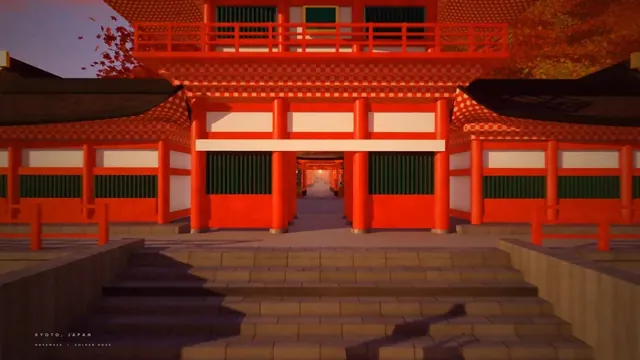
A travel ad for Fushimi Inari in autumn
Peter Yang (@petergyang) · 83 likes · 10K views
Twenty seconds of the Kyoto shrine, a run through the red torii tunnel and a title card at sunset, entirely in code with the music included.
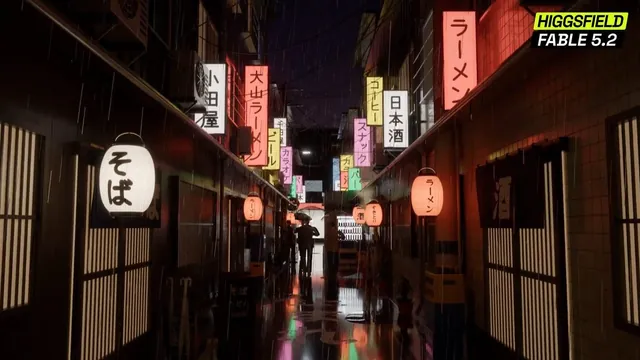
A rainy Tokyo alley made without a video model
Higgsfield AI (@higgsfield_ai) · 68 likes · 11.2K views
Rain, puddles and neon reflections, a street mirror that really reflects and Japanese signs you can read. Posted by Higgsfield.

A crystal bud, then a flight over purple fields
每天懂点AI · 176 likes
A frosted flower bud, then a low flight over meadows, snowy peaks and purple flower fields. The maker says it took half an hour.

A pet robot you could build at home
Matt Shumer (@mattshumer_) · 151 likes · 138.4K views
Asked for a robot he could build in his apartment, Matt Shumer got a round little pet robot that wakes up, swings its arm and plays with a ball.
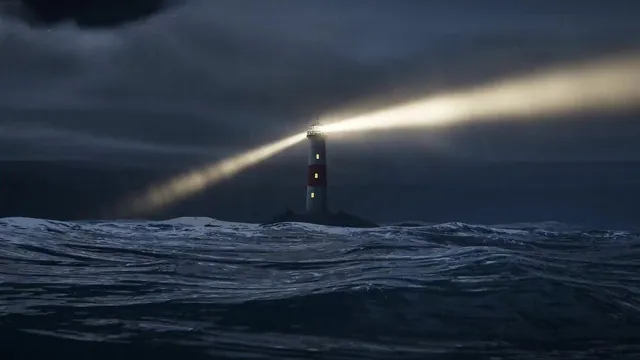
A lighthouse in a storm
rohit (@rohit3a) · 52 likes · 1.9K views
A beam sweeps over a heaving night sea until the clouds part around the moon. On high effort, with sound.
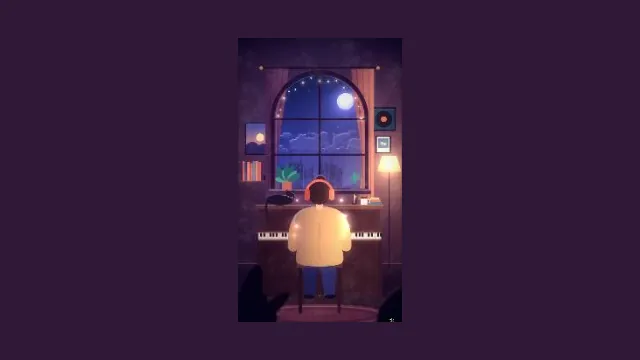
A 46-second film with zero generated images
Cube (@cube__lol) · 14 likes · 624 views
A boy at a piano: every frame drawn and every note played by code Fable wrote, with no image or video model.
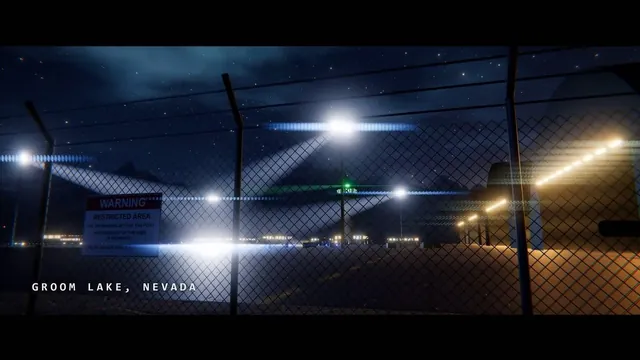
A UFO lands at Area 51
Dante (@danteeonsol) · 3 likes · 209 views
A five-shot, 30-second film in three.js and Remotion from one sentence: no imported models, textures or stock audio, rendered in 4K.
Show the prompt (as the maker shared it)
make me a 30 second video of a UFO visiting Area 51 and greeting humans, ultra detailed, cinematic lighting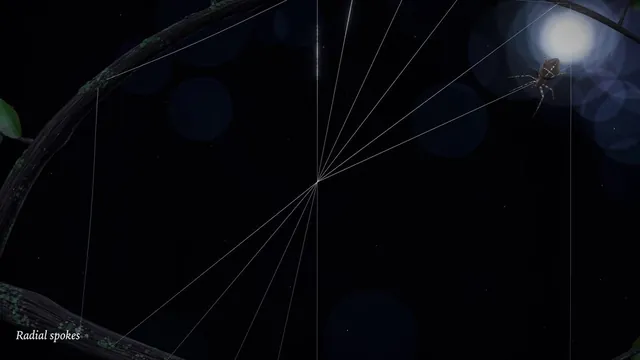
A spider weaves the Claude logo into its web
sudoPhoeniX (@sudoPhoeniX) · 1 likes · 79 views
A moonlit spider spins its web step by step, then stitches the Claude logo into the centre by dawn.
3D worlds and dioramas
Cities, ships and islands, several of them live pages you can move around in.
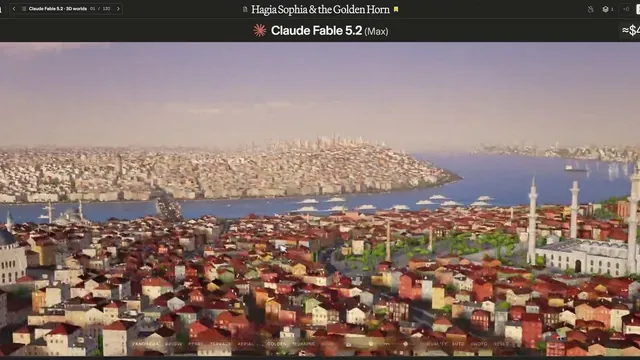
Istanbul, built from a prompt
Peter Gostev (@petergostev) · 2.9K likes · 468.1K views
The city from the air: the Hagia Sophia and the Golden Horn, ferries on the Bosphorus and the skyline at dusk. Fable 5.2 Max, about $46.
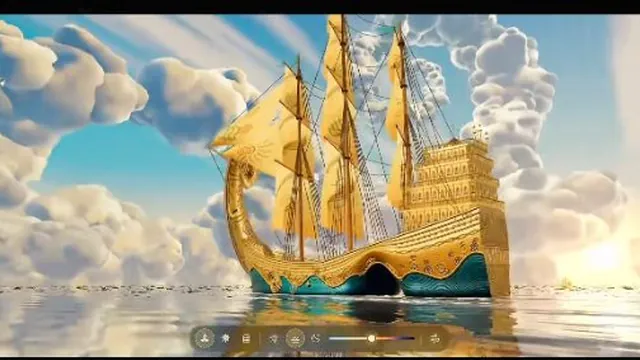
Auric Voyage: a golden ship above the clouds
Marcel (@marcthecreatorr) · 111 likes · 4.8K views
A golden sailing ship over volumetric clouds, with a day and night cycle and a deck you can walk onto. Three.js only, about 38 minutes and $17.
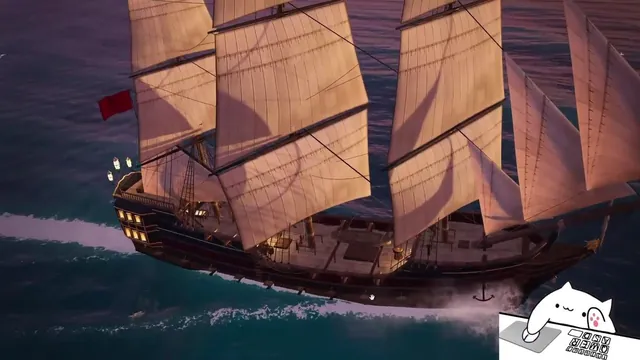
A pirate ship sailing at sunset
J A Z I I (@notjazii) · 110 likes · 4.7K views
A three-masted ship with a wake, lit cabin windows and full sails. One shot, about 1.5 hours and 35M tokens.
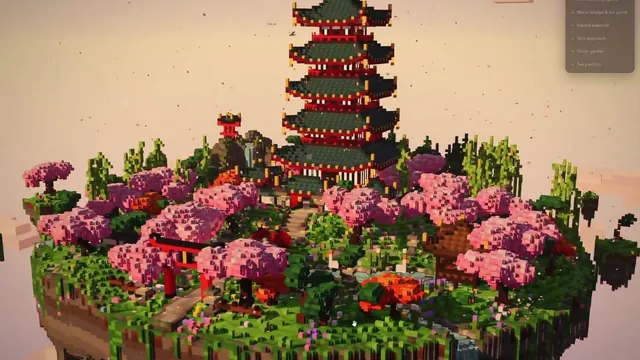
A voxel pagoda full of tiny details
Lumina (@LuminaBench) · 104 likes · 4.5K views
A floating island with a five-storey pagoda, cherry blossoms, ponds and lanterns that light up at night.
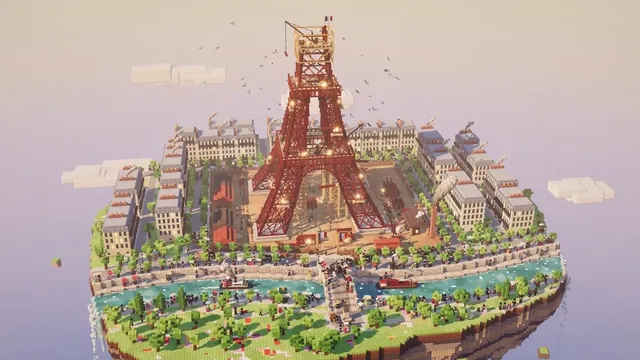
Paris in 1888, the Eiffel Tower under construction
Rez (@RezAIT00) · 41 likes · 4.5K views
Cranes lift girders, riveting teams spark and a riverboat steams along the Seine, on a floating voxel island. One shot, from a long, precise prompt.
Show the prompt (as the maker shared it)
Build a single self-contained three.js HTML page that renders a 14-second animation (1280x720, 30fps, deterministic: expose window.renderAt(t) so every frame can be captured). Scene: a floating voxel diorama island - Paris, 1888, the Eiffel Tower under construction. Everything is already moving on frame 1. Island: - floating chunk with layered rock underside, the Seine curving across the front with stone quays and an arched bridge - Champ de Mars: dirt work yard, stacks of iron girders, wooden sheds, a steam engine with a smoking chimney - around it: rows of Haussmann buildings with cream walls, grey zinc roofs, chimneys, tiny trees along the boulevards The tower (the hero): - dark reddish-brown wrought iron lattice made of thin voxel beams with real X-bracing, not solid blocks - four curved legs and the first platform finished, the second level half built, the top section only a skeleton - wooden scaffolding towers under the legs, small creeper cranes on the structure lifting girders on chains - glowing orange rivet sparks where workers hammer, small puffs of steam Life (hundreds of tiny voxel people, ~3 voxels tall): - riveting teams on every level with hammers swinging, workers walking along beams - girders hoisted by cranes swinging slowly into place - horse-drawn carts carrying iron across the yard, crowds of onlookers in 1880s clothes with top hats and parasols - a riverboat with a smoking funnel moving along the Seine, carriages crossing the bridge, pigeons circling the tower Camera and look: - wide view of the whole island, slow orbit (~25 degrees) with a gentle push-in toward the tower - warm late-afternoon sun, soft shadows, ambient occlusion, light haze, rounded voxels, ACES tone mapping, soft bloom on sparks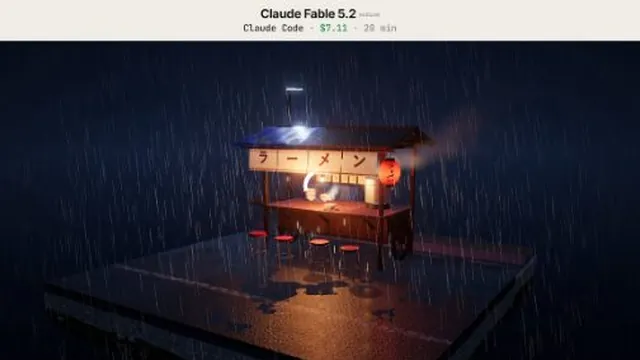
A ramen stall on a rainy Tokyo night
sprinntt (@sprinntt) · 3 likes · 1K views
One PROMPT.md, an empty folder and no hand edits, in 20 minutes for $7. Press T and the rain slowly turns to snow.
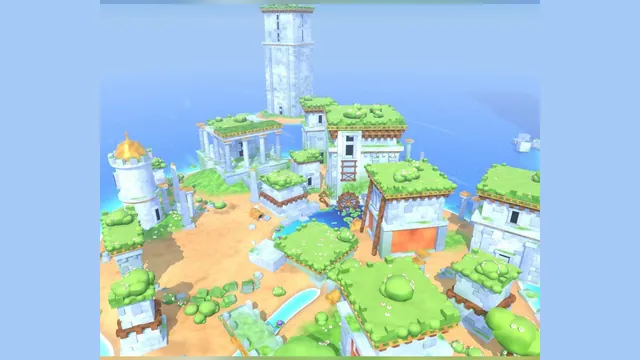
An island rebuilt in Blender from a reference
sweetretry · 85 likes
Built in Blender from code alone: 130 objects, 1.14 million faces, no textures, a turning water wheel and swimming fish. Fable filled in what the reference didn't show.
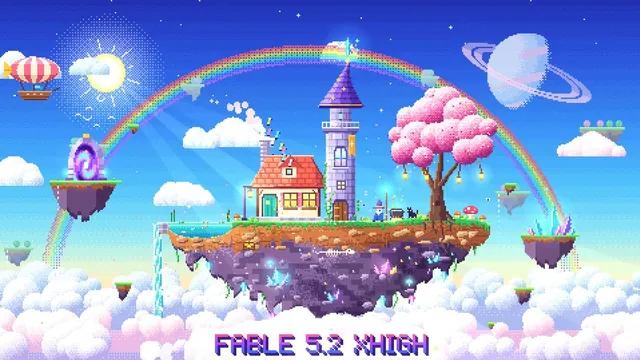
A floating pixel island
JUMPERZ (@jumperz) · 75 likes · 3K views
A looping pixel-art island with a wizard's tower, cherry trees, a rainbow and airships. One prompt on extra-high effort.
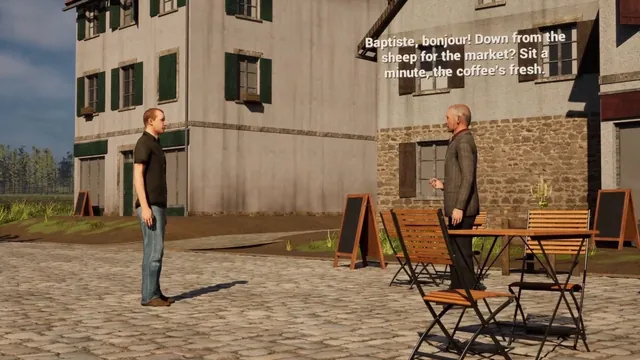
A European village where every character thinks
Matthew Berman (@MatthewBerman) · 61 likes · 5.4K views
A 3D village whose people think and talk to each other with AI, from Matthew Berman's Fable 5.2 field test.
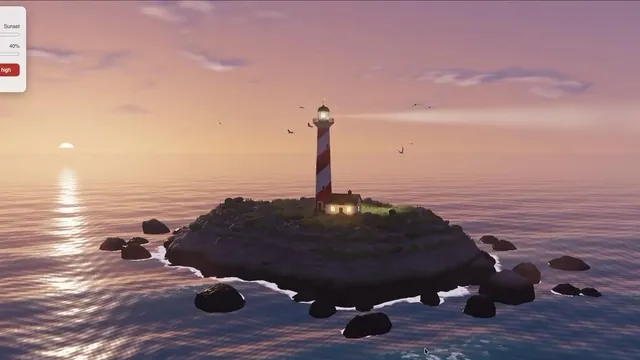
A photorealistic lighthouse at sunset
Not Harris (@viewsfrom02108) · 2 likes · 305 views
The maker's standing lighthouse prompt on Fable 5.2: a striped lighthouse, a sweeping beam and a calm sea.
Websites and interactive pages
Landing pages and product pages that animate as you scroll or click.
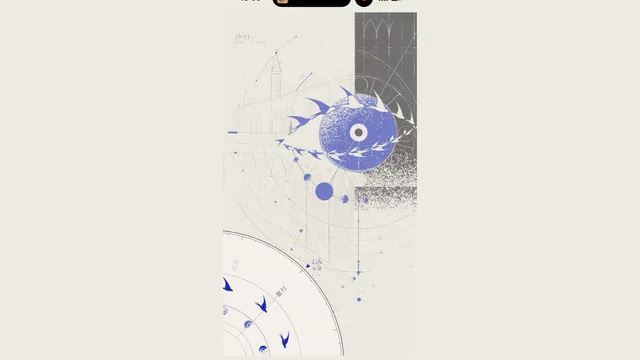
A constructivist chat app that changes form
396 · 1.5K likes
A companion-chat app restyled in a constructivist look: swallows, moon phases, an inhuman eye and a spiral staircase, with chat screens drawn like survey maps and letters.
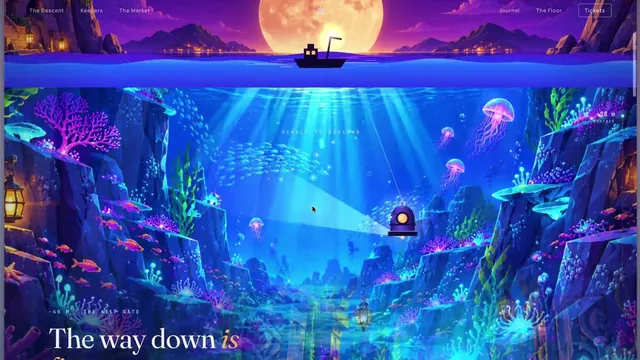
Abyssal: a landing page that scrolls into the ocean
Pratzyy (@pratyushrungta) · 9 likes · 456 views
Scroll from a moonlit surface past glowing jellyfish to a lantern-lit city and a giant eye in the dark. Made on low effort.

Glass, amber and liquid metal type
Iliyass (@ioTanjiro) · 6 likes · 282 views
Blobs of glass, amber and liquid metal push through giant headline type, each with its own colour scheme.
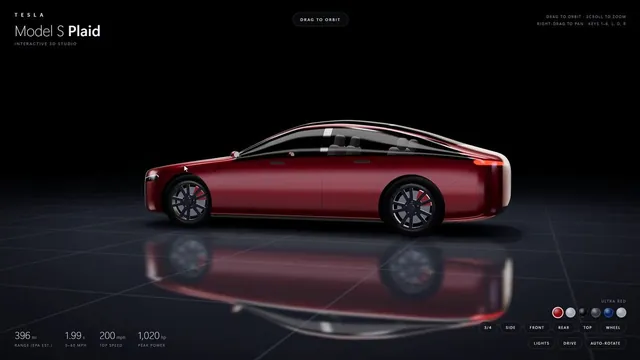
A car configurator made on medium effort
Rez (@RezAIT00) · 3 likes · 598 views
Orbit a red sedan, change the paint and wheels, and switch to a launch view with light streaks. Twelve minutes.
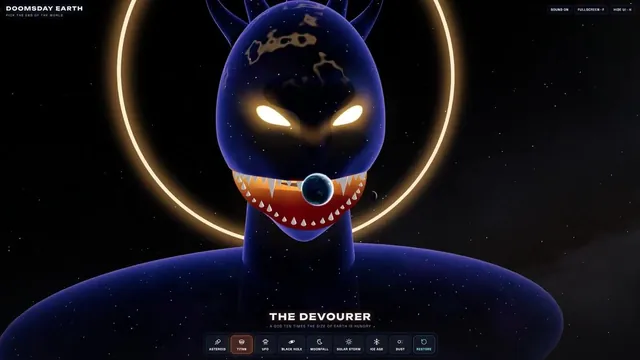
Doomsday Earth: eight ways to destroy the planet
0xVe1vet (@0xVe1vet) · 162 views
Earth with real NASA maps and city lights, and eight ways to end it, from an asteroid to a god that eats it like an apple. First try.
Science, space and data
Galaxies, black holes, viruses and the ocean floor, often from real data.
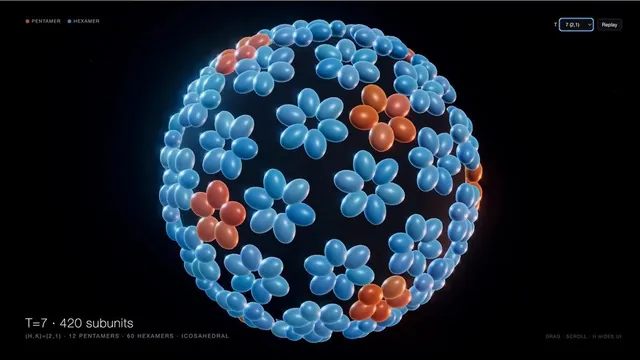
A virus shell assembling itself
Tekon Burns (@TekonBurns) · 55 likes · 3.8K views
One HTML file: 420 protein subunits form a T=7 shell, 12 pentamers first and then 60 hexamers, the geometry real viruses use.
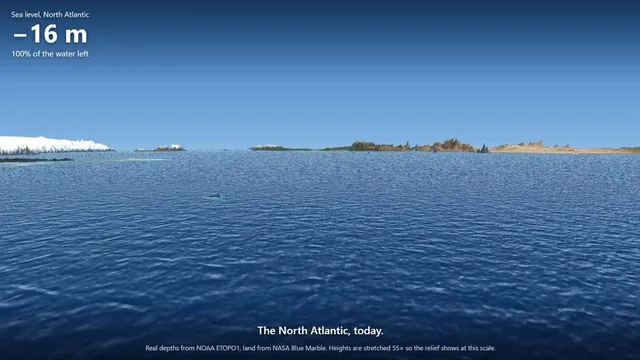
What the Atlantic looks like with the water drained
Gul Saeed Khattak (@Ldataengineer) · 4 likes · 2.3K views
Real NOAA seafloor data in a 3D flyover as the ocean drains: Britain joins Europe in seconds, then the Mid-Atlantic Ridge appears.
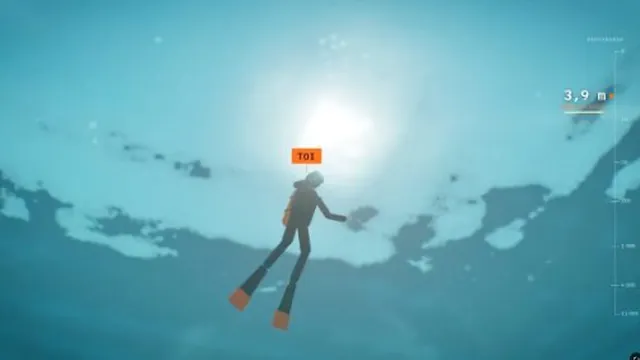
A dive from the surface to 40 metres
g_beyrouti (@g_beyrouti) · 1 likes · 94 views
Sunlight, schools of fish and a torch beam change with depth, with a depth gauge on the side. All code.
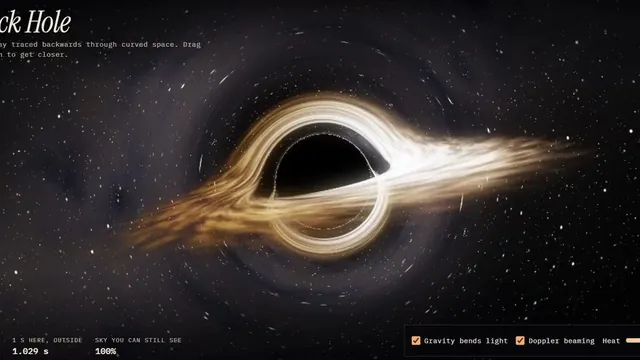
A pocket black hole
Paul Gegenyi (@paulgrowthlab) · 43 views
Asked for something that would go viral, Fable made an interactive black hole with a glowing disk bent by gravitational lensing.
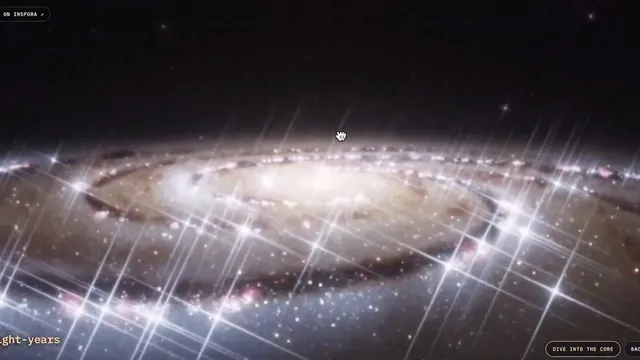
Fly into a spiral galaxy
Marko Vineli (@handsher_NGU) · 24 likes · 1.6K views
Start outside a spiral galaxy and fly in, with a light-year counter ticking down. About 20 minutes of work.
More from Claude
The full list with three stills per video is on GitHub: awesome-claude-fable-videos. For games built with Fable 5.2 see Claude Fable 5.2 games; for launch films and motion graphics made with Opus 5.5 see Opus 5.5 motion graphics. What changed in the model is in our Claude Fable 5.2 guide.
FAQ
Can Claude Fable 5.2 generate video?
Not the way a video model does. It writes code that draws each frame, in Three.js, WebGL, Remotion or Blender, and renders it to an MP4 or runs it live in a browser. That's why the text, logos and fine details come out sharp.
What tools does it use?
Most often Three.js or WebGL in a single HTML file. Others used Remotion for film-style edits, Blender driven from Python, and Python or numpy for the music.
How long does it take and what does it cost?
From about 20 minutes and $7 (the Tokyo ramen stall) to 1.5 hours and 35M tokens (the pirate ship) or about $46 on Fable 5.2 Max (Istanbul).
Can I open these scenes myself?
Four have a live page linked on their card: the golden ship, the pirate ship, the black hole and the galaxy. The rest were shared as videos.
Fable 5.2 or Opus 5.5 for video?
Makers use both. In what people posted, Fable 5.2 was used most for 3D worlds and films, and Opus 5.5 for product launch films and motion graphics, which we collected in Opus 5.5 motion graphics.
Every post and prompt checked on X and Xiaohongshu on November 11 and 12, 2026; likes and views are what the post showed then.