Como o Fable 5.2 faz vídeo
Gerar vídeo com o Fable 5.2 é pedir uma cena ou um curta e deixar que ele construa tudo como um programa: os modelos, a câmera, a iluminação e muitas vezes a música. Alguns autores renderizam em MP4; outros compartilham a cena como uma página que dá para abrir e explorar.
- O anime de 90 segundos de 0kncn foi montado plano a plano no Blender via Python, com trilha escrita em numpy.
- O navio dourado de Marcel é Three.js puro, sem Blender nem modelos externos: cerca de 38 minutos e US$ 17 com effort médio.
- A Istambul de Peter Gostev, a mais curtida de todas, rodou no Fable 5.2 Max por cerca de US$ 46.
- O filme do OVNI de Dante saiu de uma frase, com three.js e Remotion, sem texturas nem áudio de banco.
Como fazer um no Claude Code
Abra o Claude Code com o Fable 5.2
O Fable 5.2 exige um plano Pro ou superior, ou acesso via API. Para uma cena compartilhável como página, basta uma pasta vazia; para o Blender, instale-o para que o Fable o controle via Python.
mkdir my-film && cd my-film
claude --model claude-fable-5-2
Descreva a cena, ou o curta plano a plano
Uma frase basta ("make me a 30 second video of a UFO visiting Area 51 and greeting humans, ultra detailed, cinematic lighting"); prompts longos e precisos, como o de Paris 1888 abaixo, dão mais controle.
Peça para renderizar, ou para deixar ao vivo
Peça um MP4 com resolução e taxa de quadros definidas, ou uma única página HTML que abra no navegador e possa ser compartilhada.
Curtas e animação
Filmes curtos com câmera, história ou trilha.
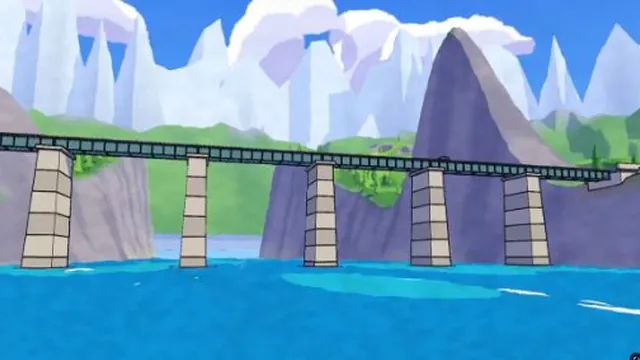
Um curta de anime de 90 segundos: uma locomotiva a vapor vira robô
0kncn (@0kncn) · 409 curtidas · 69,5 mil visualizações
Anime 2D com cara de desenho à mão a partir de um prompt: o Fable montou cada plano no Blender via Python, renderizou e passou a arte-final quadro a quadro, e escreveu a trilha nota por nota com numpy.
Ver o prompt (como o autor compartilhou)
Create a 2D anime short. It must look completely like real Japanese anime, as if it were taken directly from a finished theatrical anime film. This is traditional-looking, hand-drawn 2D anime, not a 3D animation, a moving illustration, or a stylized web graphic.

Build everything in Blender from Python, render it in Eevee, then ink and paint every frame in a second pass. Deliver one 1920x1080, 24 fps MP4 with a synthesized soundtrack. Use any tools, libraries, references, guides, literally anything, as long as the final result looks 100% like hand-drawn 2D anime.

Use theatrical anime as the art style reference for the design, line work, painted backgrounds, color and atmosphere. The film is 90 seconds long (2160 frames), in 42 shots. Its hero is a steam locomotive that transforms into a robot. No people appear in the film.

HERO
No. 9, a 1940s 2-8-2 freight locomotive with a four-axle tender, 23 m long, asleep for decades in a mountain engine shed: matte black boiler with rust runs, faded red wheel centres and buffer beam, brass number plate "9", one large headlamp, two amber marker lamps, moss on the running boards, ivy through the cab windows, and a stork's nest on the cab roof. As a robot it stands 21 m tall with its shoulders at 17 m. It is an original design, not a character from any existing series. It moves on twos, slow and heavy. Its wheels never slip and its feet never slide.

TRANSFORM
One transformation, at full speed, 120 frames, in five stages of 24 frames. Every part is rigid: nothing stretches, nothing vanishes, nothing appears. Each part travels on a hinge or a slide you can see.
1. Legs: the tender uncouples, splits lengthwise and swings down; its two bogies lock as feet, the coal stays in bunkers on the calves.
2. Hips: the cab drops and widens into the pelvis; the trailing truck folds onto the lower back.
3. Torso: the boiler tilts upright, firebox at the waist, smokebox at the top; the chimney and steam dome end on the upper back and keep venting.
4. Arms: the running boards swing out with the cylinders as shoulders, the piston and connecting rods as forearms, and hands with three fingers and a thumb unfolding from the valve gear; the front driving wheels ride up as shoulder discs, the rear ones fold to hips and knees.
5. Head: the smokebox door hinges forward as the chest plate with the headlamp at its centre; a riveted helmet rises from the smokebox with one dark visor slit and the two marker lamps as amber eyes; the cowcatcher folds up as a collar.
The cab roof panel rides up to the right shoulder and carries the stork's nest, never tilted more than 10 degrees.
Stages 1-3 happen on the rails, with the first strides landing on the ballast either side of the track. Stages 4-5 happen in the air.

WORLD
A single-track mountain railway at real scale. At the top, an ore mine with a loading bunker and a rake of twelve four-wheel hopper wagons. The line descends through larch forest and a short rock tunnel to a viaduct: seven 18 m steel girder spans on stone piers, 126 m long, the deck 17 m above a turquoise meltwater river 3 m deep. Beyond it, a small station: a stone engine shed, a water tower, a semaphore signal with an alarm bell, a signal box, a siding ending in a sand drag. Snow peaks behind, a cliff face above the viaduct, telegraph poles along the whole line.

STORY
A clear spring morning in the valley. Meltwater loosens the cliff: a rockfall hits the middle pier of the viaduct, the pier collapses into the river and the two girders it carried sag into a V, held only by the rails. Up at the mine the shock snaps a coupling and the twelve loaded wagons start to roll downhill, unmanned. At the station the semaphore drops to danger and the bell rings. In the dark shed the firebox glows, the pressure needle climbs, the headlamp lights; the stork flies up. No. 9 bursts through the shed doors tearing ivy and rust, and charges up the grade with the wagons coming down the other side. On the approach it transforms at full speed, leaps from the abutment, lands crouched in the river, wades to the fallen pier, and lifts the sagging joint onto its shoulders and raised hands. The wagons hit the viaduct: it sinks 0.3 m as each one passes over and holds. The rake runs through the station into the sand drag and stops. No. 9 does not come back out. It locks its knees and stays as the new pier. The steam thins, the stork returns to its nest, the visor dims.

LIGHT
High-key anime light, never murky: a morning sun from the south-east, a saturated cobalt sky, white cumulus with lavender shadows, snow peaks with blue shadows, fresh green larch, a turquoise river with drawn white water. Light only changes with a cause you can see: rock dust dims the gorge for 3 seconds, steam whites out a frame, the firebox throws orange onto the shed walls. Cel light with hard shadows, gouache backgrounds, ink lines on every machine, rail and building, effects drawn on twos: steam as inked rolling shapes with a flat shadow tone, water as inked sheets with foam crowns, dust as drawn clouds, never particle mush.

SOUND
A synthesized orchestra on a 144 bpm grid: one beat is 10 frames, and every cut lands on a multiple of 5 frames. A hopeful theme on clarinet and horn, the collapse in E minor, a 12/8 chase with the exhaust chuff as percussion at four beats per wheel revolution, a heavy 3/4 for the hold with one low drum per wagon. 16 hits land exactly on the picture: the rockfall, the pier, the coupling, the signal arm, the shed doors, each transformation lock, the landing, the lift, the first and last wagon. The steam whistle is heard twice: once on waking, once on the hold.

FORMAT
Write the film as a Python story clock: one state per frame for every pose, camera, wheel angle, rod position, transformation part, wagon, effect and sound cue.

CHECKS
Before the final render a script tests every frame on the real meshes: no part of No. 9 goes through another part, in either form or at any frame of the transformation; the total volume of its parts is the same in both forms; every wheel on a rail turns exactly as far as it travels; planted feet do not move; No. 9 never goes through the track, the shed, the viaduct or the riverbed; the wagons stay on the rails and never touch each other except at the couplings; the camera never enters a mesh, the cliff or the water; nothing jumps between frames.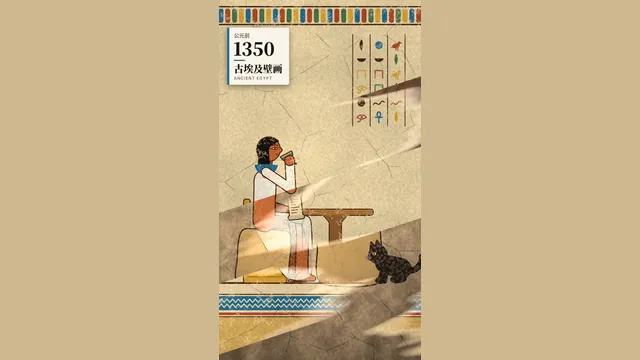
40 mil anos de história da arte num prompt
Tommy618 · 315 curtidas
A mesma pessoa e o mesmo gato redesenhados em cada época, de uma pintura mural egípcia a Van Gogh, Mondrian, pixel art e 2026. Cerca de 4.900 linhas de código, sem modelo de imagem.
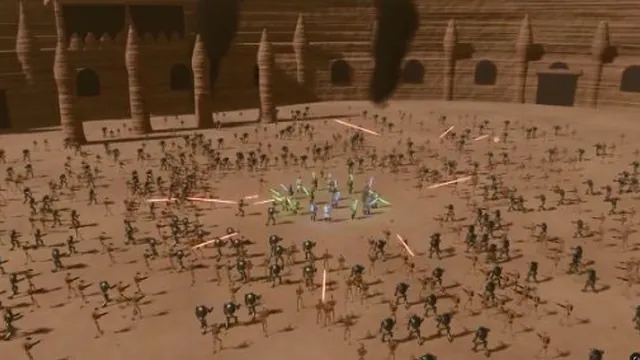
Uma batalha de Star Wars construída no Blender
Aditya (@adityavg13) · 292 curtidas · 44,3 mil visualizações
O teste de Blender que o autor roda em todo modelo novo: mais de mil droides, naves de ataque e tiros de laser na arena. Um prompt, 1,5 hora com 20 minutos de render.
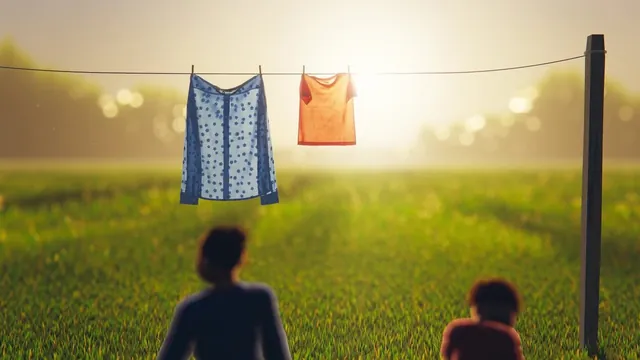
Roupa no varal na luz da tarde
Dan Fein (@dfeinition) · 210 curtidas · 8,3 mil visualizações
Duas pessoas olham camisas balançando num varal num campo ensolarado. As dobras, a luz atravessando o tecido, a câmera e o som são todos código.
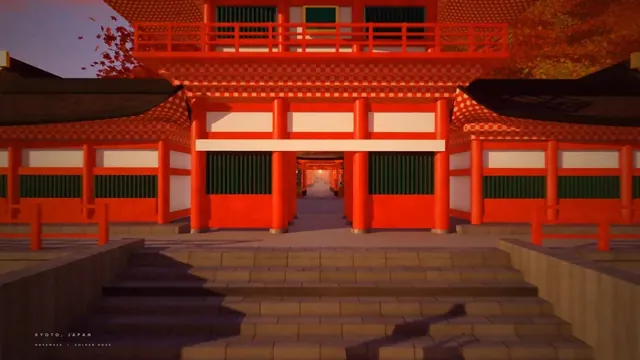
Um anúncio de viagem do Fushimi Inari no outono
Peter Yang (@petergyang) · 83 curtidas · 10 mil visualizações
Vinte segundos do santuário de Kyoto, uma corrida pelo túnel de toriis vermelhos e uma cartela ao pôr do sol, tudo em código, música incluída.
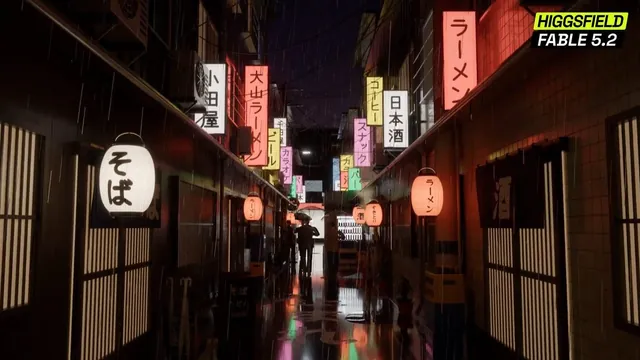
Um beco de Tóquio na chuva, sem modelo de vídeo
Higgsfield AI (@higgsfield_ai) · 68 curtidas · 11,2 mil visualizações
Chuva, poças e reflexos de neon, um espelho de esquina que reflete de verdade e placas em japonês que dá para ler. Publicado pela Higgsfield.
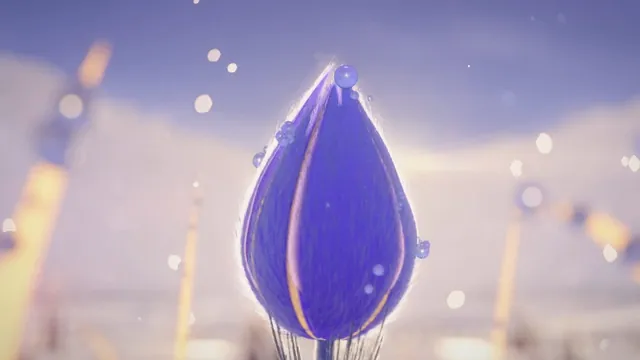
Um botão de cristal e um voo sobre campos roxos
每天懂点AI · 176 curtidas
Um botão de flor congelado e depois um voo rasante sobre prados, picos nevados e campos de flores roxas. O autor diz que levou meia hora.

Um robô de estimação que você poderia construir em casa
Matt Shumer (@mattshumer_) · 151 curtidas · 138,4 mil visualizações
Matt Shumer pediu um robô que pudesse montar no apartamento e recebeu um robozinho redondo que acorda, mexe o braço e brinca com uma bola.
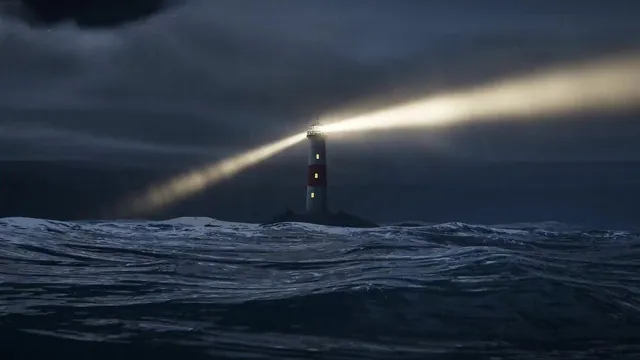
Um farol na tempestade
rohit (@rohit3a) · 52 curtidas · 1,9 mil visualizações
Um facho de luz varre um mar noturno agitado até as nuvens se abrirem em volta da lua. Effort alto, com som.
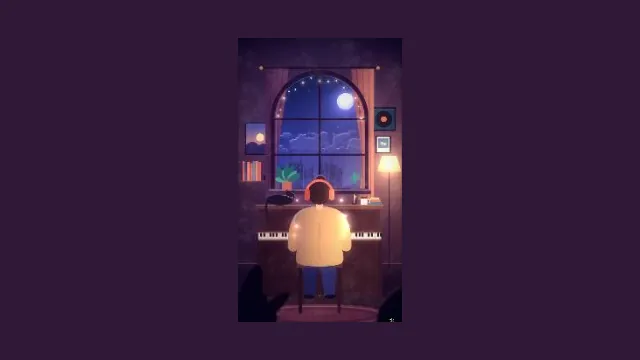
Um curta de 46 segundos sem nenhuma imagem gerada
Cube (@cube__lol) · 14 curtidas · 624 visualizações
Um menino ao piano: cada quadro desenhado e cada nota tocada por código que o Fable escreveu, sem modelos de imagem ou vídeo.
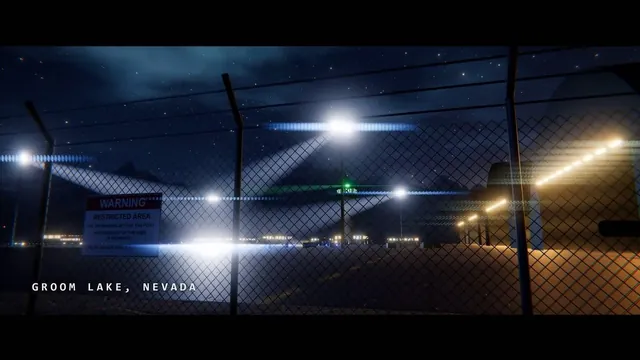
Um OVNI pousa na Área 51
Dante (@danteeonsol) · 3 curtidas · 209 visualizações
Um filme de cinco planos e 30 segundos em three.js e Remotion a partir de uma frase: sem modelos importados, texturas ou áudio de banco, em 4K.
Ver o prompt (como o autor compartilhou)
make me a 30 second video of a UFO visiting Area 51 and greeting humans, ultra detailed, cinematic lighting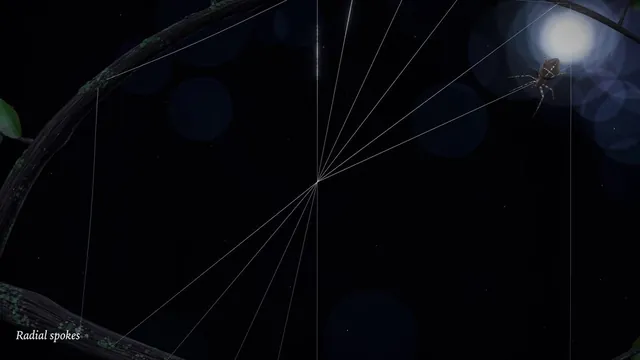
Uma aranha tece o logo do Claude na teia
sudoPhoeniX (@sudoPhoeniX) · 1 curtidas · 79 visualizações
Uma aranha ao luar tece a teia passo a passo e, ao amanhecer, borda o logo do Claude no centro.
Mundos 3D e dioramas
Cidades, navios e ilhas; várias são páginas ao vivo que dá para explorar.
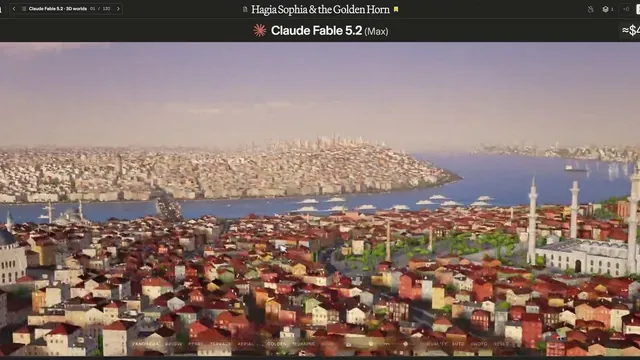
Istambul, construída a partir de um prompt
Peter Gostev (@petergostev) · 2,9 mil curtidas · 468,1 mil visualizações
A cidade vista do alto: a Hagia Sophia e o Chifre de Ouro, balsas cruzando o Bósforo e o horizonte ao entardecer. Fable 5.2 Max, cerca de US$ 46.
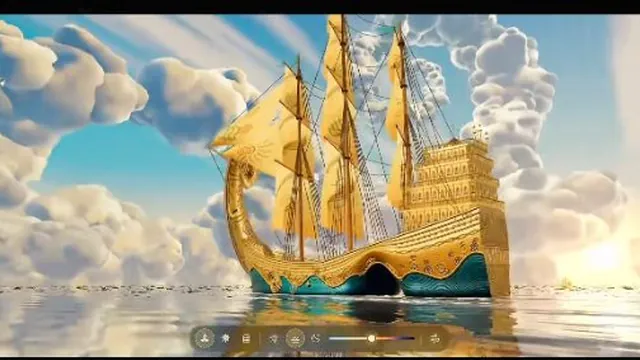
Auric Voyage: um navio dourado acima das nuvens
Marcel (@marcthecreatorr) · 111 curtidas · 4,8 mil visualizações
Um veleiro dourado sobre nuvens volumétricas, com ciclo de dia e noite e um convés onde dá para subir. Só Three.js, cerca de 38 minutos e US$ 17.
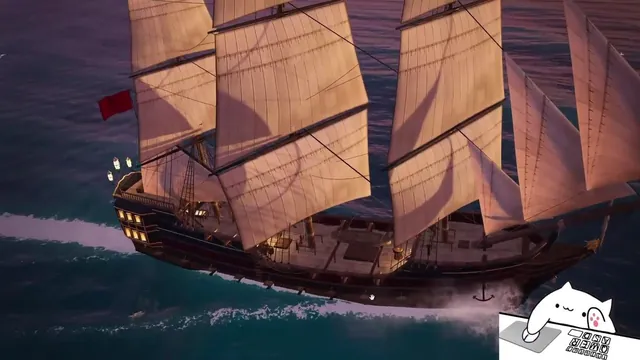
Um navio pirata navegando ao pôr do sol
J A Z I I (@notjazii) · 110 curtidas · 4,7 mil visualizações
Um três-mastros com esteira, janelas de cabine acesas e velas cheias. De primeira, cerca de 1,5 hora e 35 milhões de tokens.
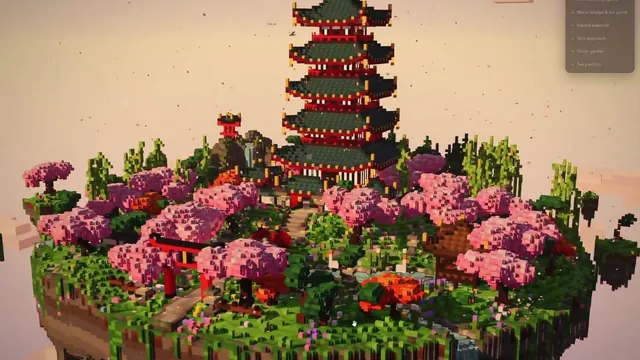
Um pagode de voxels cheio de detalhes
Lumina (@LuminaBench) · 104 curtidas · 4,5 mil visualizações
Uma ilha flutuante com um pagode de cinco andares, cerejeiras, lagos e lanternas que acendem à noite.
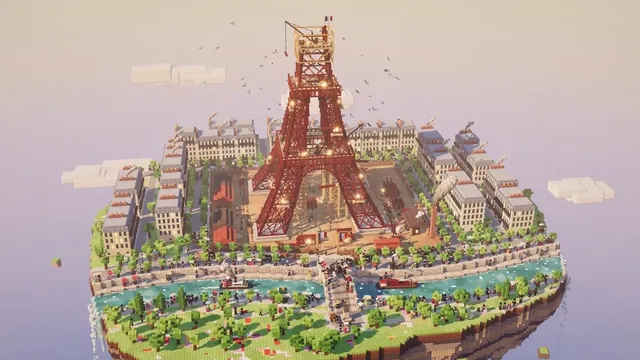
Paris em 1888, com a Torre Eiffel em construção
Rez (@RezAIT00) · 41 curtidas · 4,5 mil visualizações
Guindastes erguem vigas, rebitadores soltam faíscas e um barco a vapor sobe o Sena, numa ilha de voxels flutuante. De primeira, com um prompt longo e preciso.
Ver o prompt (como o autor compartilhou)
Build a single self-contained three.js HTML page that renders a 14-second animation (1280x720, 30fps, deterministic: expose window.renderAt(t) so every frame can be captured). Scene: a floating voxel diorama island - Paris, 1888, the Eiffel Tower under construction. Everything is already moving on frame 1. Island: - floating chunk with layered rock underside, the Seine curving across the front with stone quays and an arched bridge - Champ de Mars: dirt work yard, stacks of iron girders, wooden sheds, a steam engine with a smoking chimney - around it: rows of Haussmann buildings with cream walls, grey zinc roofs, chimneys, tiny trees along the boulevards The tower (the hero): - dark reddish-brown wrought iron lattice made of thin voxel beams with real X-bracing, not solid blocks - four curved legs and the first platform finished, the second level half built, the top section only a skeleton - wooden scaffolding towers under the legs, small creeper cranes on the structure lifting girders on chains - glowing orange rivet sparks where workers hammer, small puffs of steam Life (hundreds of tiny voxel people, ~3 voxels tall): - riveting teams on every level with hammers swinging, workers walking along beams - girders hoisted by cranes swinging slowly into place - horse-drawn carts carrying iron across the yard, crowds of onlookers in 1880s clothes with top hats and parasols - a riverboat with a smoking funnel moving along the Seine, carriages crossing the bridge, pigeons circling the tower Camera and look: - wide view of the whole island, slow orbit (~25 degrees) with a gentle push-in toward the tower - warm late-afternoon sun, soft shadows, ambient occlusion, light haze, rounded voxels, ACES tone mapping, soft bloom on sparks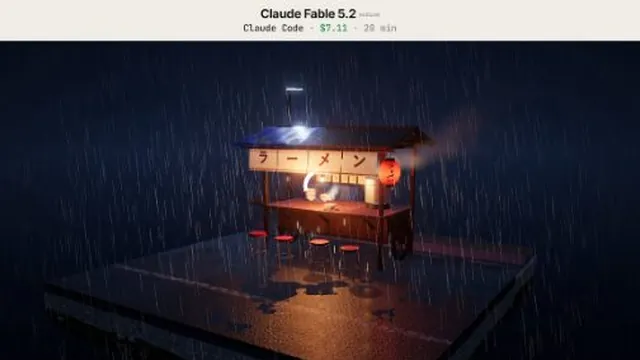
Uma barraca de ramen numa noite chuvosa de Tóquio
sprinntt (@sprinntt) · 3 curtidas · 1 mil visualizações
Um PROMPT.md, uma pasta vazia e nenhuma edição manual, em 20 minutos e por US$ 7. Aperte T e a chuva vira neve aos poucos.
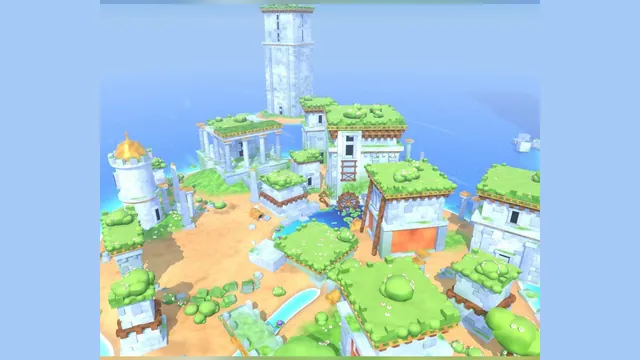
Uma ilha reconstruída no Blender a partir de uma referência
sweetretry · 85 curtidas
Feita no Blender só com código: 130 objetos, 1,14 milhão de faces, sem texturas, uma roda d'água girando e peixes nadando. O Fable completou o que a referência não mostrava.
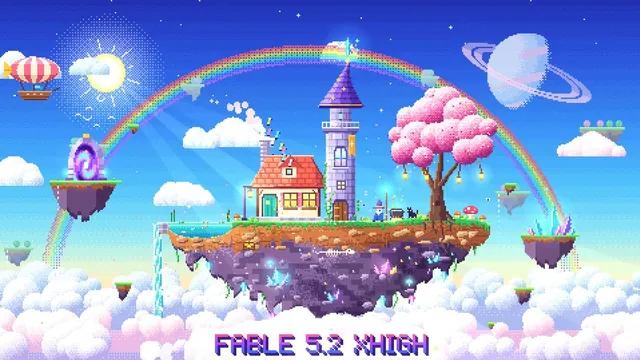
Uma ilha de pixels flutuante
JUMPERZ (@jumperz) · 75 curtidas · 3 mil visualizações
Uma ilha em pixel art em loop, com torre de mago, cerejeiras, arco-íris e dirigíveis. Um prompt com effort extra alto.
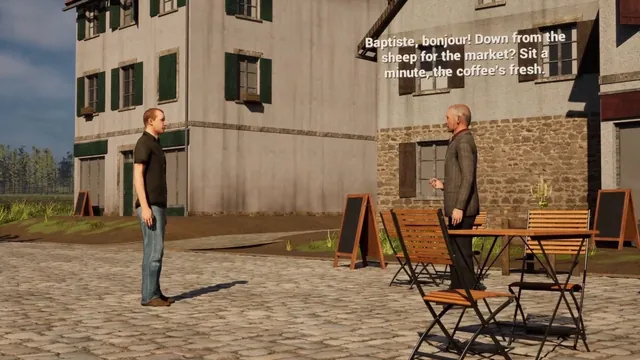
Uma vila europeia onde cada personagem pensa
Matthew Berman (@MatthewBerman) · 61 curtidas · 5,4 mil visualizações
Uma vila 3D cujos moradores pensam e conversam entre si com IA, do teste do Fable 5.2 feito por Matthew Berman.
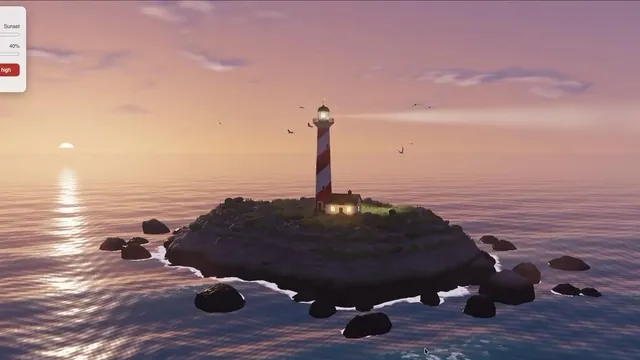
Um farol fotorrealista ao pôr do sol
Not Harris (@viewsfrom02108) · 2 curtidas · 305 visualizações
O prompt de farol de sempre do autor, no Fable 5.2: um farol listrado, um facho girando e um mar calmo.
Sites e páginas interativas
Landing pages e páginas de produto que se animam ao rolar ou clicar.
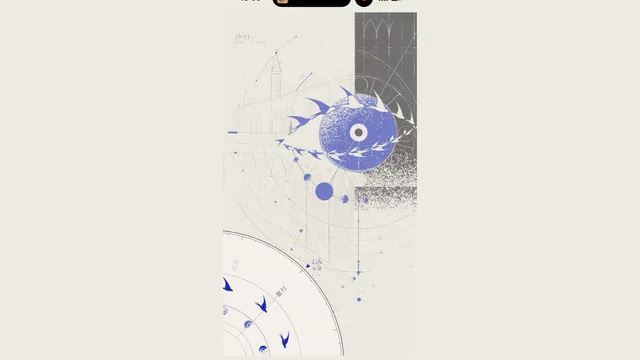
Um app de chat construtivista que muda de forma
396 · 1,5 mil curtidas
A interface de um app de chat de companhia refeita em estilo construtivista: andorinhas, fases da lua, um olho não humano e uma escada em espiral, com telas de chat desenhadas como mapas e cartas.
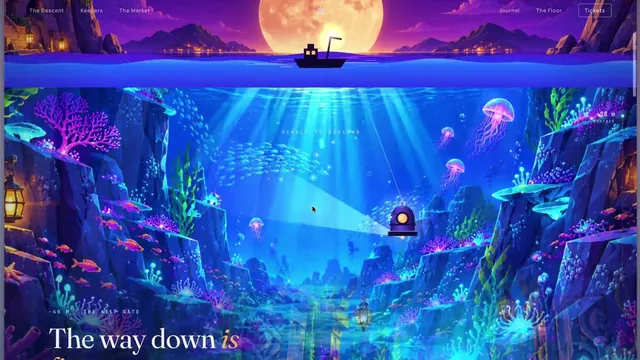
Abyssal: uma landing page que desce até o fundo do mar
Pratzyy (@pratyushrungta) · 9 curtidas · 456 visualizações
Role de uma superfície ao luar, passando por águas-vivas brilhantes, até uma cidade de lanternas e um olho gigante no escuro. Feita com effort baixo.
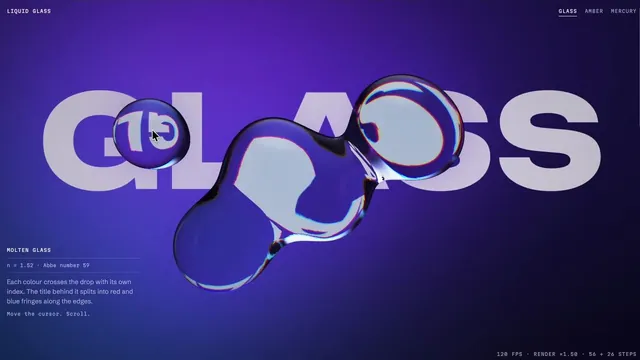
Tipografia de vidro, âmbar e metal líquido
Iliyass (@ioTanjiro) · 6 curtidas · 282 visualizações
Bolhas de vidro, âmbar e metal líquido atravessam títulos enormes, cada material com sua paleta.
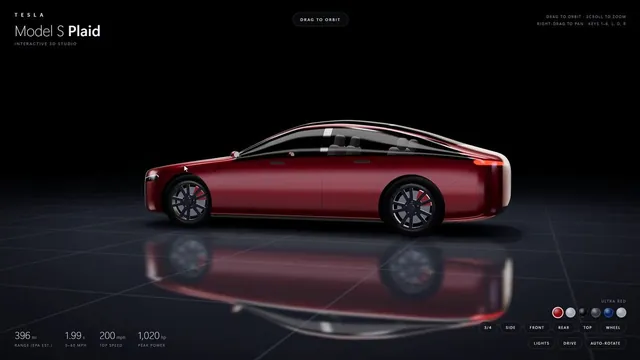
Um configurador de carro feito com effort médio
Rez (@RezAIT00) · 3 curtidas · 598 visualizações
Gire em volta de um sedã vermelho, troque pintura e rodas e mude para uma vista de largada com rastros de luz. Doze minutos.
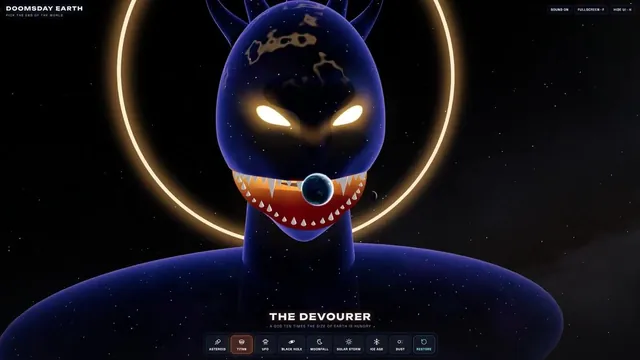
Doomsday Earth: oito jeitos de destruir o planeta
0xVe1vet (@0xVe1vet) · 162 visualizações
A Terra com mapas reais da NASA e luzes das cidades, e oito jeitos de acabar com ela, de um asteroide a um deus que a come como uma maçã. De primeira.
Ciência, espaço e dados
Galáxias, buracos negros, vírus e o fundo do mar, muitas vezes com dados reais.
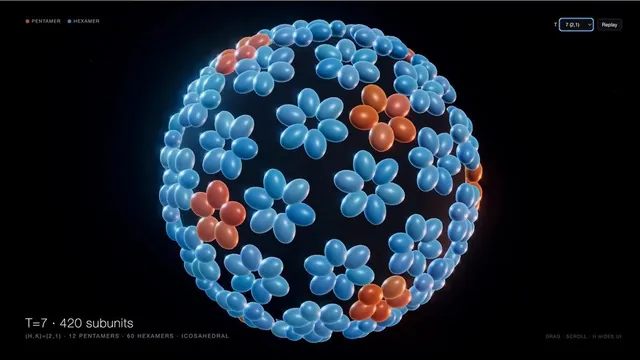
O capsídeo de um vírus se montando sozinho
Tekon Burns (@TekonBurns) · 55 curtidas · 3,8 mil visualizações
Um arquivo HTML: 420 subunidades de proteína formam um capsídeo T=7, primeiro 12 pentâmeros e depois 60 hexâmeros, a geometria dos vírus reais.
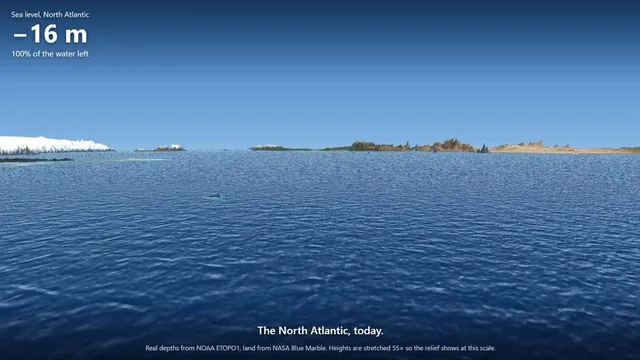
Como fica o Atlântico sem água
Gul Saeed Khattak (@Ldataengineer) · 4 curtidas · 2,3 mil visualizações
Dados reais do fundo do mar da NOAA num sobrevoo 3D enquanto o oceano esvazia: a Grã-Bretanha se liga à Europa em segundos e surge a dorsal mesoatlântica.
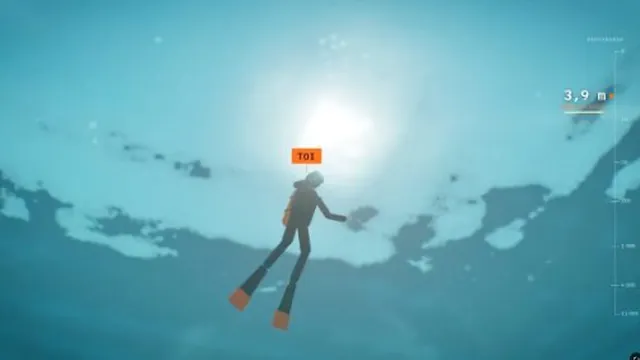
Um mergulho da superfície até 40 metros
g_beyrouti (@g_beyrouti) · 1 curtidas · 94 visualizações
A luz do sol, os cardumes e o facho da lanterna mudam com a profundidade, com um profundímetro ao lado. Tudo código.
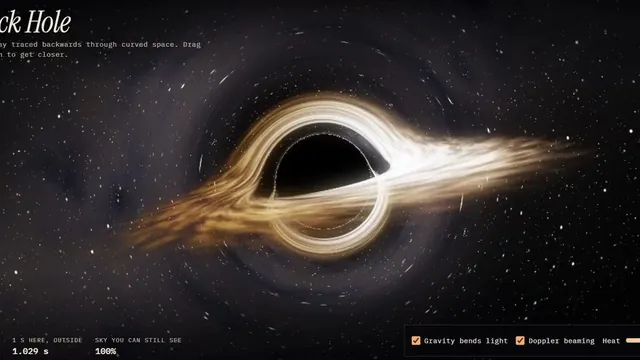
Um buraco negro de bolso
Paul Gegenyi (@paulgrowthlab) · 43 visualizações
Quando pediram algo que viralizasse, o Fable fez um buraco negro interativo com um disco brilhante curvado pela lente gravitacional.
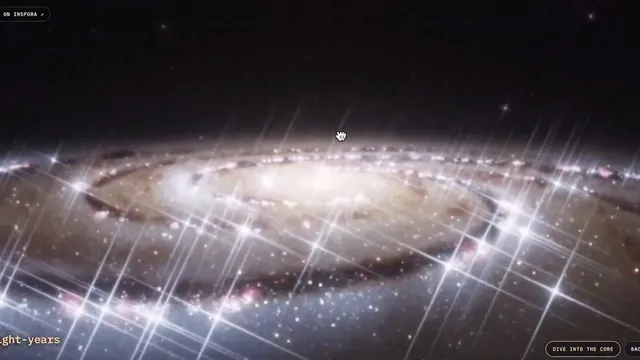
Voe para dentro de uma galáxia espiral
Marko Vineli (@handsher_NGU) · 24 curtidas · 1,6 mil visualizações
Comece fora de uma galáxia espiral e entre voando, com um contador de anos-luz diminuindo. Cerca de 20 minutos de trabalho.
Mais do Claude
A lista completa, com três quadros por vídeo, está no GitHub: awesome-claude-fable-videos. Para jogos feitos com o Fable 5.2, veja jogos com Claude Fable 5.2; para vídeos de lançamento e motion graphics com o Opus 5.5, motion graphics com Opus 5.5. O que mudou no modelo está no nosso guia do Claude Fable 5.2.
Perguntas frequentes
O Claude Fable 5.2 consegue gerar vídeo?
Não do jeito de um modelo de vídeo. Ele escreve código que desenha cada quadro, em Three.js, WebGL, Remotion ou Blender, e renderiza em MP4 ou roda ao vivo no navegador. Por isso texto, logos e detalhes saem nítidos.
Que ferramentas ele usa?
O mais comum é Three.js ou WebGL num único arquivo HTML. Outros usaram Remotion para edições no estilo cinema, Blender controlado via Python, e Python ou numpy para a música.
Quanto tempo leva e quanto custa?
De uns 20 minutos e US$ 7 (a barraca de ramen de Tóquio) a 1,5 hora e 35 milhões de tokens (o navio pirata) ou cerca de US$ 46 no Fable 5.2 Max (Istambul).
Posso abrir essas cenas eu mesmo?
Quatro têm uma página ao vivo no card: o navio dourado, o navio pirata, o buraco negro e a galáxia. O resto foi compartilhado em vídeo.
Fable 5.2 ou Opus 5.5 para vídeo?
Os dois são usados. No que as pessoas publicaram, o Fable 5.2 foi mais usado para mundos 3D e curtas, e o Opus 5.5 para vídeos de lançamento e motion graphics, que reunimos em motion graphics com Opus 5.5.
Cada post e prompt conferido no X e no Xiaohongshu em 11 e 12 de novembro de 2026; curtidas e visualizações são as daqueles dias.